Source Jacketed Electric Wax Melter for Candle, Cosmetic, and Food Processing
Find 30 jacketed electric wax melter options for candle making, cosmetic production, and food processing. Compare stainless steel models with ISO certification, varying capacities, and motor specifications to select the right equipment for your manufacturing needs; compare the available evidence and request quotations based on your requirements.
Key considerations
Products List




Comprehensive Sourcing Guide
Jacketed Electric Wax Melter Sourcing Guide
Sourcing a jacketed electric wax melter requires careful evaluation of thermal efficiency and material compatibility, particularly for industries handling cosmetic or confectionery waxes. The observed market data indicates a diverse range of equipment, from compact units with specific motor configurations to large-scale industrial tanks with significant volume capacities. Buyers must distinguish between simple melting pots and complex jacketed systems that offer superior temperature control and energy conservation. Understanding these distinctions is critical for aligning procurement with specific production throughput and quality standards.
The core keyword highlights the importance of the jacketing feature, which typically involves a double-wall construction to maintain consistent heat distribution. While some listed products emphasize stainless steel construction and electric heating modes, others may include steam or hot water options. Procurement teams should verify whether the jacketed design supports the specific viscosity and melting points of their target materials. This guide provides a structured approach to evaluating technical specifications, compliance documentation, and supplier qualifications to ensure a successful acquisition of reliable wax melting equipment.
Product Scope and Observed Listing Signals
The current market landscape for wax melting equipment shows a wide variance in product attributes, with observed prices ranging from approximately $6.76 to $5,500 USD. This broad spectrum suggests that buyers will encounter everything from small, single-item units to large industrial containers with capacities up to 5,000 liters. Minimum order quantities also vary significantly, ranging from single units to over 50,000 pieces, indicating that suppliers cater to both individual workshops and large-scale manufacturing operations. Buyers must carefully assess whether the listed price corresponds to the specific capacity and material grade required for their operations.
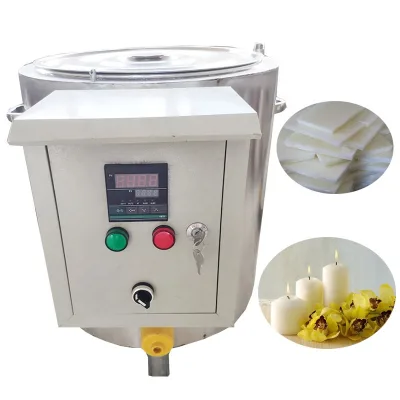
Observed listings frequently highlight stainless steel construction, with materials such as SS304 and SS316L being common specifications for hygiene and corrosion resistance. Many products are described as automatic grade, featuring motors and heating elements designed for continuous operation. Some listings mention specific dimensions and weights, such as a 50kg unit with a 73x53x64cm footprint, while others describe large tanks with heights up to 6,400mm. Buyers should treat these attributes as observations of available inventory rather than universal standards, verifying that the specific model meets their spatial and operational constraints before committing to a purchase.
Technical Specifications to Verify
When evaluating a jacketed electric wax melter, the heating mode and power consumption are primary technical considerations. Most observed units utilize electric heating, with motor powers ranging from 0.55kW to 5.5kW, depending on the tank size and desired melting speed. Buyers must verify the voltage compatibility, as many listed products operate on 220V systems, which may require electrical infrastructure adjustments in certain regions. Additionally, the presence of a heat preservation layer, such as the 60mm insulation noted in some specifications, is crucial for energy efficiency and maintaining consistent wax temperatures during prolonged processing cycles.
The tank dimensions and material grade directly impact the equipment's durability and capacity. Stainless steel construction, particularly SS304 or SS316L, is preferred for its resistance to corrosion and ease of cleaning, which is vital for food-grade or cosmetic applications. Buyers should confirm the exact volume capacity, which can range from 50 liters to 10,000 liters, and ensure that the tank dimensions fit within their facility's layout. The automatic grade of the machinery, including features like variable speed controls up to 2,800 rpm, should be verified to ensure it aligns with the desired mixing and melting precision for specific wax types.
Compliance and Safety Documentation
Safety and regulatory compliance are non-negotiable aspects of procuring industrial heating equipment. Buyers must request machinery test reports and certification documents to verify that the equipment meets relevant electrical and mechanical safety standards. Many suppliers provide ISO certifications, which indicate adherence to international quality management systems, but buyers should confirm the specific scope of these certifications. It is essential to ensure that the electrical components, such as motors and heating elements, are rated for the intended operating environment and voltage, reducing the risk of electrical faults or overheating during operation.
Warranty terms and after-sales support are critical indicators of supplier confidence in their product quality. A standard one-year warranty is commonly observed, but buyers should clarify the coverage details, including parts and labor. Additionally, the availability of spare parts and technical support should be established before purchase, especially for complex automatic machinery. Buyers should also verify that the equipment includes necessary safety features, such as overheat protection and emergency stop mechanisms, to protect operators and prevent damage to the wax material during unexpected power fluctuations or system failures.
Cost Drivers and Commercial Terms
The total cost of ownership for a jacketed electric wax melter extends beyond the initial purchase price, encompassing installation, energy consumption, and maintenance. Factors such as the material grade, tank capacity, and automation level significantly influence the upfront cost. Buyers should compare quotes based on specific technical specifications rather than general product categories, as prices can vary widely even within similar capacity ranges. Understanding the energy efficiency of the heating system, particularly the effectiveness of the heat preservation layer, can help estimate long-term operational costs and justify higher initial investments in more efficient models.
Commercial terms, including payment methods, shipping arrangements, and lead times, play a crucial role in the procurement process. Buyers should negotiate clear terms regarding packaging, such as wooden cases or standard export packing, to ensure safe transit of the equipment. It is also important to clarify who is responsible for installation and commissioning, as well as any potential customs duties or import taxes. Establishing a clear timeline for delivery and production capacity, such as the observed 100% capacity claims, helps in planning production schedules and avoiding delays that could impact downstream operations.
Supplier Qualification and Quality Control
Evaluating supplier qualifications is essential to ensure the reliability and quality of the wax melting equipment. Buyers should verify the supplier's production capabilities, including their factory location and manufacturing processes, to assess their ability to meet quality standards. Many suppliers are located in regions like Henan or Zhejiang in China, which are known for industrial manufacturing. Buyers should request evidence of their manufacturing expertise, such as past project references or client testimonials, to gauge their experience in producing jacketed electric wax melters.
Quality control measures, including pre-shipment inspections and testing protocols, are critical for ensuring that the equipment meets specified performance criteria. Buyers should inquire about the supplier's quality assurance processes, including how they handle defects or non-conformities. It is advisable to request a machinery test report before shipment to verify that the heating and mixing functions operate correctly. Additionally, buyers should confirm the supplier's willingness to provide customization options, such as specific tank dimensions or control systems, to tailor the equipment to their unique operational requirements.
Long-Term Procurement Checks
Long-term procurement success depends on establishing a robust relationship with the supplier and ensuring ongoing support for the equipment. Buyers should consider the availability of spare parts and the supplier's responsiveness to technical inquiries when making their selection. A supplier with a strong track record in providing after-sales service can significantly reduce downtime and maintenance costs over the life of the equipment. It is also important to monitor any updates or improvements in the technology, such as more efficient heating elements or advanced control systems, to ensure that the procurement strategy remains competitive.
Regular maintenance and operational training are key to maximizing the lifespan and performance of the jacketed electric wax melter. Buyers should ensure that their staff is adequately trained on the operation and maintenance of the equipment, including proper cleaning procedures and safety protocols. Establishing a preventive maintenance schedule, based on the supplier's recommendations, can help identify potential issues before they lead to costly repairs. By focusing on these long-term factors, buyers can ensure a sustainable and efficient wax melting operation that supports their business goals.
FAQs
What is the voltage requirement for the electric wax melter?
The electric wax melter operates on a 220v voltage supply. This standard electrical input ensures compatibility with common industrial power outlets in many regions. Users should verify local voltage standards before installation to ensure safe and efficient operation of the heating and motor components.
What material is used for the wax melting tank?
The tank is constructed from stainless steel, specifically SS304 or SS316L grades. These materials provide excellent corrosion resistance and durability for melting various waxes. The metal tank ensures hygiene and longevity, making it suitable for cosmetic and candle manufacturing applications requiring high standards.
Can the wax melter be customized for specific needs?
Yes, customization is available for this wax melting equipment. Buyers can request specific modifications to suit their production requirements. The manufacturer supports tailored solutions, allowing for adjustments in dimensions or features to better fit unique operational workflows and specific wax melting capacities.
What is the warranty period for the wax melter?
The product comes with a 1-year warranty. This coverage provides assurance for the motor and core components during the initial year of operation. Buyers should retain the machinery test report and warranty documentation to facilitate any necessary support or repairs within the warranty period.
What is the weight of the wax melting machine?
The machine weighs approximately 50 kg. This weight reflects the sturdy stainless steel construction and internal components. Buyers should plan for adequate floor space and handling equipment to move the unit safely during installation, considering the overall dimensions of 73*53*64cm.
What certifications does the wax melter hold?
The equipment holds ISO certification. This indicates compliance with international quality management standards. The machinery test report is also provided, offering additional verification of performance and safety. These credentials help buyers ensure the product meets regulatory requirements for industrial or commercial wax melting operations.